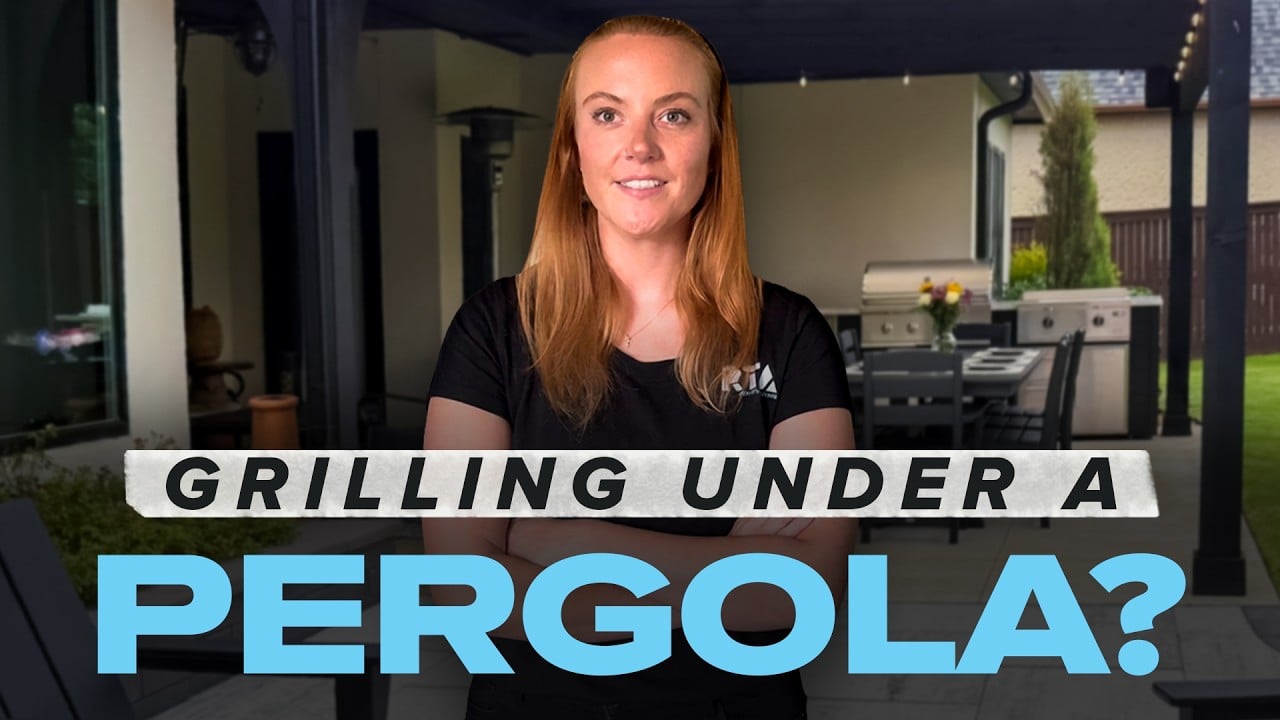
Outdoor Kitchen Ventilation: Why Minimum Isn’t Enough

Outdoor kitchen ventilation isn’t just another box to check during your build.
Getting outdoor kitchen ventilation right can make a major difference in safety, heat management, and long-term peace of mind.

In this episode of The Outdoor Kitchen Experience, we explain why RTA Outdoor Living takes ventilation seriously—and why simply meeting a minimum requirement may not tell the whole story.

A built-in gas grill creates significant heat, and gas can behave very differently depending on the fuel source. Propane is heavier than air and can settle lower inside an enclosure, while natural gas is lighter than air and rises. That means outdoor kitchen vent placement should be considered alongside your fuel type, appliance requirements, island configuration, and surrounding space.

We’ll also discuss how poor airflow can contribute to unwanted heat buildup inside a grill island and why ventilation should be part of the outdoor kitchen design conversation from the beginning—not something added at the end.

At RTA Outdoor Living, our design process considers the grill, fuel source, kitchen layout, surrounding structures, and appliance manufacturer requirements together. The goal is to create an outdoor kitchen that looks great while also giving homeowners confidence that important safety considerations have been addressed thoughtfully.

If you’re planning a built-in grill or outdoor kitchen, this is one design detail you don’t want to overlook.

Timestamps
00:05 – Intro
00:13 – Why Outdoor Kitchen Ventilation Matters
01:00 – Why Minimum Requirements Aren’t the Whole Story
01:34 – Propane vs. Natural Gas Ventilation
02:00 – Preventing Heat Buildup
02:30 – How RTA Approaches Ventilation
03:00 – Is RTA the Right Fit for Your Project?
03:33 – Design Your Outdoor Kitchen

Did you like this video? | https://bit.ly/OutdoorKitchenExperience

Ready To Design Your Outdoor Kitchen | https://bit.ly/OutdoorKitchenDesignTool

#OutdoorKitchen #OutdoorKitchenVentilation #OutdoorLiving #BackyardDesign #BuiltInGrill
Design your dream
outdoor kitchen
right now

Video Transcription

0:00
Have you ever wondered why outdoor kitchen ventilation matters so much? Or maybe you’ve looked at a grill island and thought, as long as we have a couple of vents, we’re good, right? The truth is that minimum requirements are only the starting point. In this video, I’ll

0:15
explain why RTA takes ventilation seriously and why going beyond the bare minimum can make a big difference in safety and peace of mind. Hi, I’m Karina from RTA Outdoor Living and today we’re going to be talking about ventilation.

0:30
Especially why we don’t treat it like a small detail or an afterthought. When most homeowners think about an outdoor kitchen, they think about the grill, the countertops, the colors, >> [music] >> the layout, and how the finished space is going to look. And all that matters,

0:45
but behind the scenes, one of the most important parts of the design is how the island breathes. Ventilation helps heat and gas escape from inside the structure, and when you’re dealing with a built-in gas appliance, that matters a

1:00
lot. The issue is with the minimum requirements is that they can make people think safety is just a box to check. Do we have vents? [music] Yes. Great. Move on. But outdoor kitchens are not all the same. The fuel

1:15
type matters, the appliance matters, the layout matters, whether the kitchen is against a wall, under a covered structure, near a pergola, or tucked into a tighter space. All of that could change how you should think about airflow and heat. A

1:30
simple example is propane versus natural gas. Natural gas rises, while propane is heavier and tends to settle lower. That means vent placement should not be random. If you’re using propane, you need to think about low ventilation.

1:45
If you’re using natural gas, higher ventilation becomes important. That’s why a one-size-fits-all approach can create problems. The kitchen should be designed around how the fuel behaves and what the grill manufacturer requires.

2:00
Another reason we go beyond minimum thinking is heat build-up. A building grill produces serious heat and if that heat has nowhere to go inside the island, it could create safety concerns and even make parts of the kitchen

2:15
uncomfortable to touch. In worst-case scenarios, poor ventilation can contribute to fire or gas build-up risk. That’s not something we want home owners discovering after the kitchen is installed. This is where RTA’s product and service fit becomes

2:30
really important. We are a good fit for home owners who want a guided design process, not just a pile of parts. Our design team looks at the grill, the fuel type, the island layout, the surrounding space, and the manufacturer’s

2:45
requirements together. The goal is not just to make the kitchen look good. The goal is to help you feel confident that the kitchen was designed thoughtfully from the start. So, when we say we go beyond minimum requirements, what we

3:00
really mean is this. >> [music] >> We don’t want ventilation to be an afterthought. We want it built into the conversation early because safety is part of the design. If you’re the type of home owner who wants the cheapest possible island and does not care how it

3:15
is vented, RTA may not be the right fit. But, if you want a kitchen designed with safety, usability, and long-term confidence in mind, that’s exactly where we can help. Try our free outdoor kitchen design tool and if you have

3:30
questions about ventilation, fuel type, covered spaces, or appliance placement, book a free consultation with one of our design experts.

Related Videos

Spencer Becorest RTA Team Member
Chat With Us