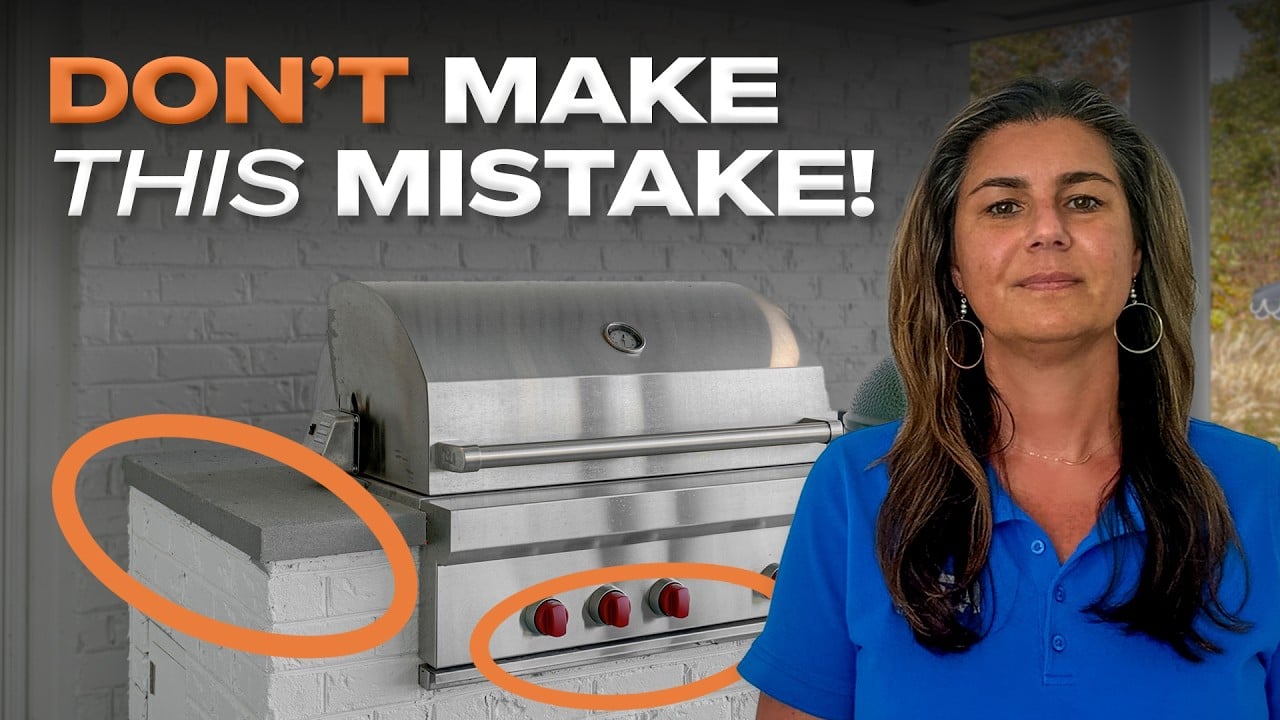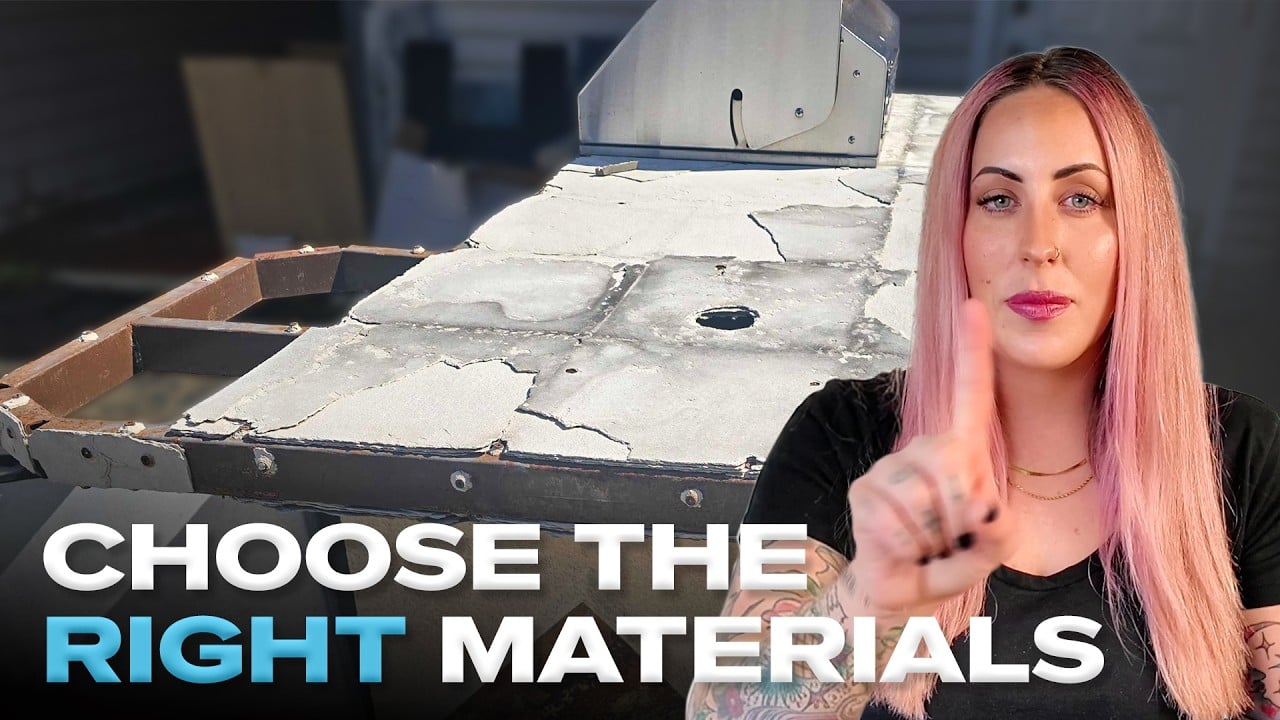


When shopping for an outdoor kitchen, most people focus on how it looks—but what’s inside the structure is what determines how long it lasts.
So what’s actually inside an RTA panel?
In this episode of The Outdoor Kitchen Experience, we break down exactly what RTA outdoor kitchen panels are made of and why that construction matters for durability, weather resistance, and long-term performance. If you’re comparing RTA concrete kitchens to steel-frame or cement-board systems, this video will help you understand the differences that aren’t always obvious at first glance.
RTA panels are made from a high-strength concrete composite formed as one solid piece. There’s no steel framing to rust, no wood to rot, and no cement board to absorb moisture or fail over time. Instead of layered materials that depend on fasteners and adhesives, RTA panels use a monolithic concrete design that creates strength through simplicity.
We’ll also show how finishes are molded directly into the concrete—so nothing peels, delaminates, or separates—and how appliance cutouts are precision-cast at the factory for clean, accurate installs. Despite their strength, these panels are designed to be manageable, allowing two people to assemble a kitchen with basic tools and no on-site cutting.
If you want an outdoor kitchen that feels permanent, stable, and built for real outdoor conditions—sun, rain, heat, and freeze-thaw cycles—understanding what’s inside the panels is critical.
00:00-Intro
00:18-What Will You Learn?
00:53-What makes an RTA Panel Special?
01:20- Molded Panels
01:37- Custom Openings
02:04- Outdoor Elements
02:36-RTA Process
Did you like this video? | https://bit.ly/OutdoorKitchenExperience
Ready To Design Your Outdoor Kitchen | https://bit.ly/OutdoorKitchenDesignTool
#RTAOutdoorLiving #OutdoorKitchen #OutdoorKitchenMaterials #OutdoorLiving #BackyardDesign