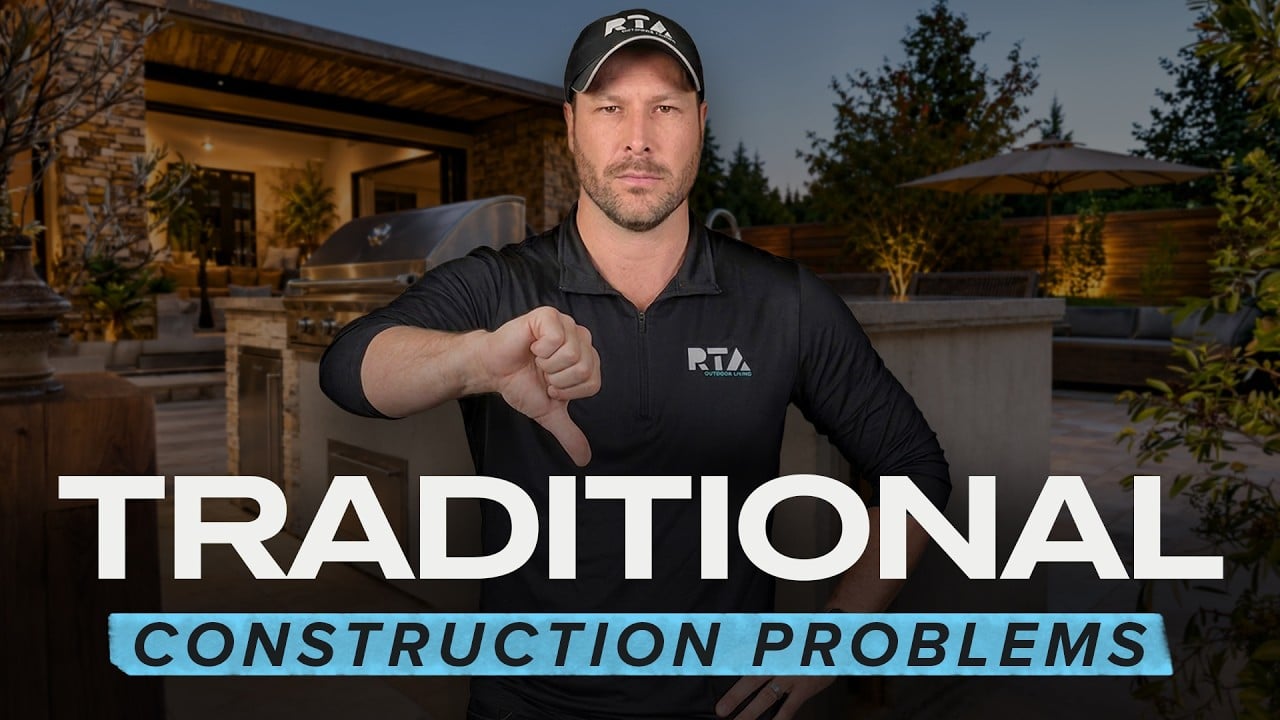
Outdoor Kitchens in Humid Climates: What Actually Lasts?

Thinking about building an outdoor kitchen in a humid or coastal climate? The materials you choose can make the difference between a kitchen that lasts decades… or one that deteriorates in just a few years.

In this episode of The Outdoor Kitchen Experience, Tim from RTA Outdoor Living breaks down the key design decisions that help outdoor kitchens survive humidity, coastal air, and salt exposure. If you live near the ocean or in a region where the air stays moist most of the year, this guide will help you avoid common mistakes and choose materials that truly last.

You’ll learn why traditional wood-framed outdoor kitchens often struggle in humid climates, and what structural materials perform better in moisture-heavy environments. We’ll also discuss why 304 stainless steel appliances and components are often recommended for coastal areas where salt in the air can cause corrosion.

But durability isn’t just about materials.

Tim also explains why proper airflow, drainage, and smart outdoor kitchen design play a huge role in preventing trapped moisture, mold, and long-term structural damage. Finally, we’ll cover outdoor countertop options like granite and concrete that are designed to withstand humidity, sun exposure, and changing temperatures.

If you’re planning a backyard kitchen and want it to last for years — even in coastal environments — this video will help you build it the right way from the start.

Did you like this video? | https://bit.ly/OutdoorKitchenExperience

Ready To Design Your Outdoor Kitchen | https://bit.ly/OutdoorKitchenDesignTool

#OutdoorKitchen #OutdoorLiving #BackyardDesign #outdoorkitchendesign

00:00 – Intro
00:09 – Can Outdoor Kitchens Survive Humid Climates?
00:39 – Why Structure Materials Matter Near the Coast
01:05 – Choosing Corrosion-Resistant Cabinets & Appliances
01:38 – Why Airflow and Drainage Prevent Moisture Damage
02:04 – Best Countertops for Humid Outdoor Kitchens
02:33 – Simple Maintenance Tips for Coastal Outdoor Kitchens
3:00 – Free Outdoor Kitchen Design Tool & Consultation
Design your dream
outdoor kitchen
right now

Video Transcription

0:00
Are you worried an outdoor kitchen won’t survive the humidity where you live? Maybe you’re near the coast and concerned about rust, mold, or materials breaking down. The good news is outdoor kitchens can work incredibly well in humid climates when they’re built correctly. In this video, I’ll walk you through the key [music] materials and

0:15
design choices that make an outdoor kitchen last near the coast. Hi, I’m Tim from RTA Outdoor Living, and today we’re talking about how to build an outdoor kitchen that actually holds up in high humidity or coastal climates. If you live near the ocean or in a place where

0:30
the [music] air stays moist most of the year, the materials you choose matter a lot more than people realize. Let’s walk through the biggest things you should pay attention to before building. The first thing to think about is the structure of the outdoor kitchen itself. In humid environments, traditional wood

0:45
framing can absorb moisture, swell, and eventually rot over time. That’s why many modern outdoor kitchens use non-wood structural materials that won’t break [music] down when exposed to moisture. Concrete-based structures and other moisture-resistant materials tend to perform much better because they

1:00
[music] don’t absorb humidity the same way organic materials do. Next, let’s talk about cabinets and components. Coastal air often carries salt, which is extremely corrosive to many metals. Lower-grade steel or poorly coated metal cabinets can start to show rust

1:15
surprisingly quickly in those conditions. That’s why choosing high-quality outdoor-rated materials and finishes is critical when you’re near the ocean. We recommend using 304 stainless steel or marine-grade stainless steel. [music] Stainless steel appliances that are designed for the

1:30
outdoor use typically perform better because they’re built to resist corrosion and exposure. Another important factor is airflow [music] and drainage. Humidity itself isn’t usually the biggest issue, trapped moisture is. Good outdoor kitchen designs allow airflow behind and

1:45
underneath components so [music] moisture can dry out instead of getting trapped. That’s one reason RTA’s outdoor kitchen designs can perform very well in humid climates. [music] When water has a place to go and air can circulate, you dramatically reduce the risk of mold,

2:00
mildew, or long-term material damage. Countertops also play a big role [music] in durability. Materials that absorb water can crack or stain over time in humid environments. That’s why many outdoor kitchens use durable countertop materials designed specifically for outdoor exposure. [music] At RTA, we

2:15
offer options like concrete countertops and granite countertops, but locally sourced countertops can be [music] worked into a design with one of our design experts if you choose. The goal is to choose surfaces that resist moisture, [music] temperature swings, and constant sun exposure. The final

2:30
piece is simple maintenance. Even the best outdoor kitchen will last longer with basic upkeep. Rinsing salt buildup, cleaning surfaces, and occasionally checking appliances help prevent small issues from turning into big ones.

2:45
When the right materials are combined with simple maintenance, outdoor kitchens in coastal climates can last for many years and perform just as well as they do anywhere else. >> [music] >> If you’re planning an outdoor kitchen and want to see what your space could look like, try our free outdoor kitchen

3:00
design tool. Or, if you’d like help choosing the right layout and materials for your climate, you can book a free call with one of our outdoor kitchen design experts. We hope this helped you feel confident about building an outdoor kitchen even in humid coastal climates.

Related Videos

Spencer Becorest RTA Team Member
Chat With Us