

Can you actually use an outdoor kitchen in winter — or will freezing temperatures destroy it?
If you live in a cold climate, this is one of the most important outdoor kitchen questions you can ask.
In this episode of The Outdoor Kitchen Experience, we break down what really determines whether an outdoor kitchen survives freezing temperatures, snow, and harsh winter weather. The truth? Winter isn’t the problem — poor materials are.
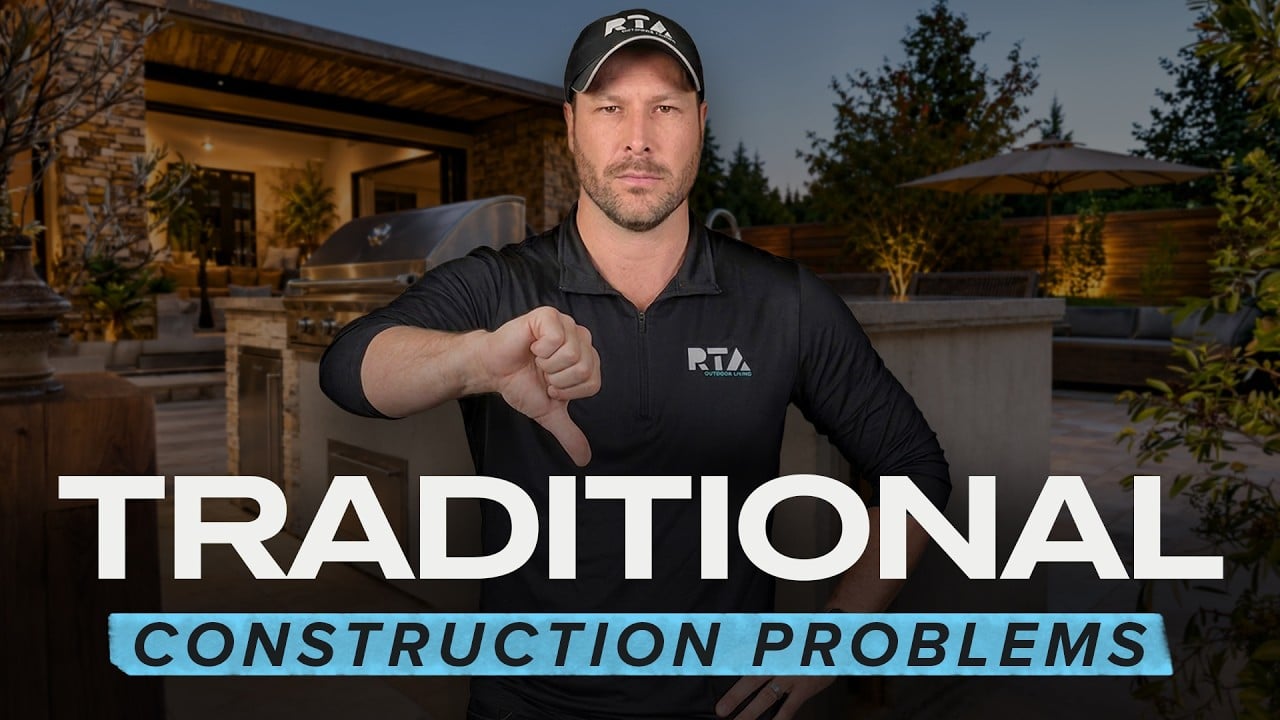
We explain how freeze-thaw cycles cause cracking, warping, and long-term structural damage in outdoor kitchens built with wood framing, steel, or cement board. When moisture gets absorbed and freezes, expansion happens — and that’s when failures show up. The key to a four-season outdoor kitchen is choosing non-porous, weather-resistant materials that won’t absorb water in the first place.
We also talk about realistic winter usage. Year-round durability doesn’t mean grilling in a snowstorm every night. It means your outdoor kitchen is built to last — without being dismantled, covered excessively, or “babied” every winter. Plus, we’ll cover appliance considerations, winter maintenance, and how features like pergolas or patio heaters can extend your comfort.
If you’re designing an outdoor kitchen for a cold climate, this video will help you avoid costly mistakes and build something that truly lasts.
Did you like this video? | https://bit.ly/OutdoorKitchenExperience
Ready To Design Your Outdoor Kitchen | https://bit.ly/OutdoorKitchenDesignTool
#OutdoorKitchen #WinterOutdoorKitchen #OutdoorLiving #BackyardDesign #ColdClimateLiving
00:00 – Intro
00:17 – Can You Really Use an Outdoor Kitchen in Winter?
00:55 – Why Outdoor Kitchens Fail in Freezing Temperatures
01:12 – The Freeze-Thaw Problem Explained
01:23 – Best Materials for Four-Season Durability
02:04 – Winter Appliance Considerations
02:25 – Durability vs Comfort in Cold Weather
02:34 – Designing for Year-Round Use
02:40 – Final Thoughts & Next Steps