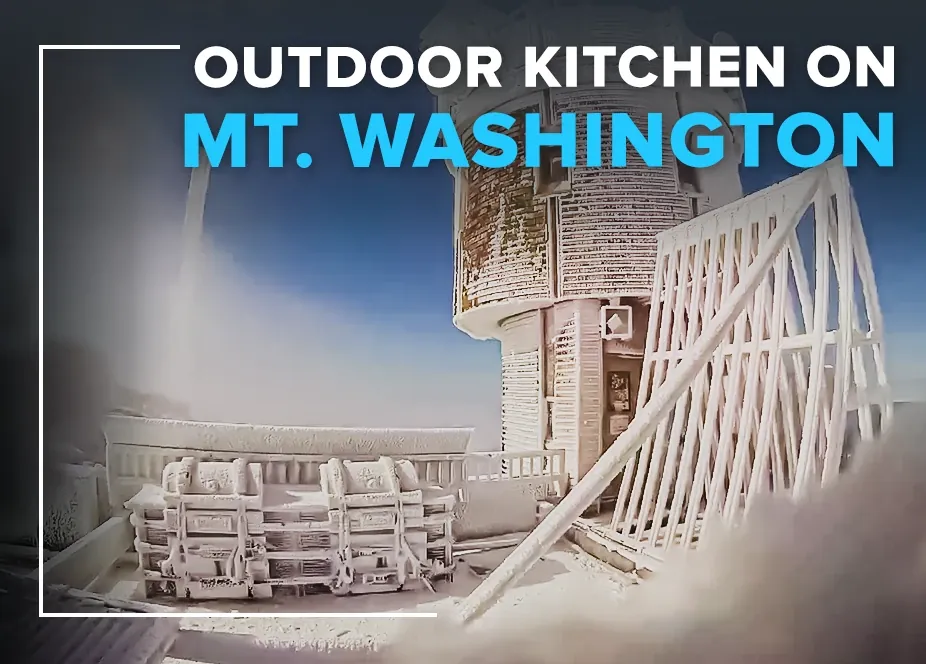


If you’re considering adding an outdoor kitchen to your backyard… you might hear some outdoor kitchens being advertised as freeze-thaw resistant, or something similar.
If you’re not familiar with what freeze-thaw cycles are and why it’s important for your outdoor kitchen to be freeze-thaw resistant… you’re probably rather confused by this descriptor.
As an outdoor kitchen manufacturer that specializes in making freeze-thaw resistant outdoor kitchens, we’d like to clear the air on what it means and why it is important. In this article, you will learn what freeze-thaw cycles are, how they relate to your outdoor kitchen, and what solution is best for freeze-thaw climates.
What are Freeze-Thaw Cycles?
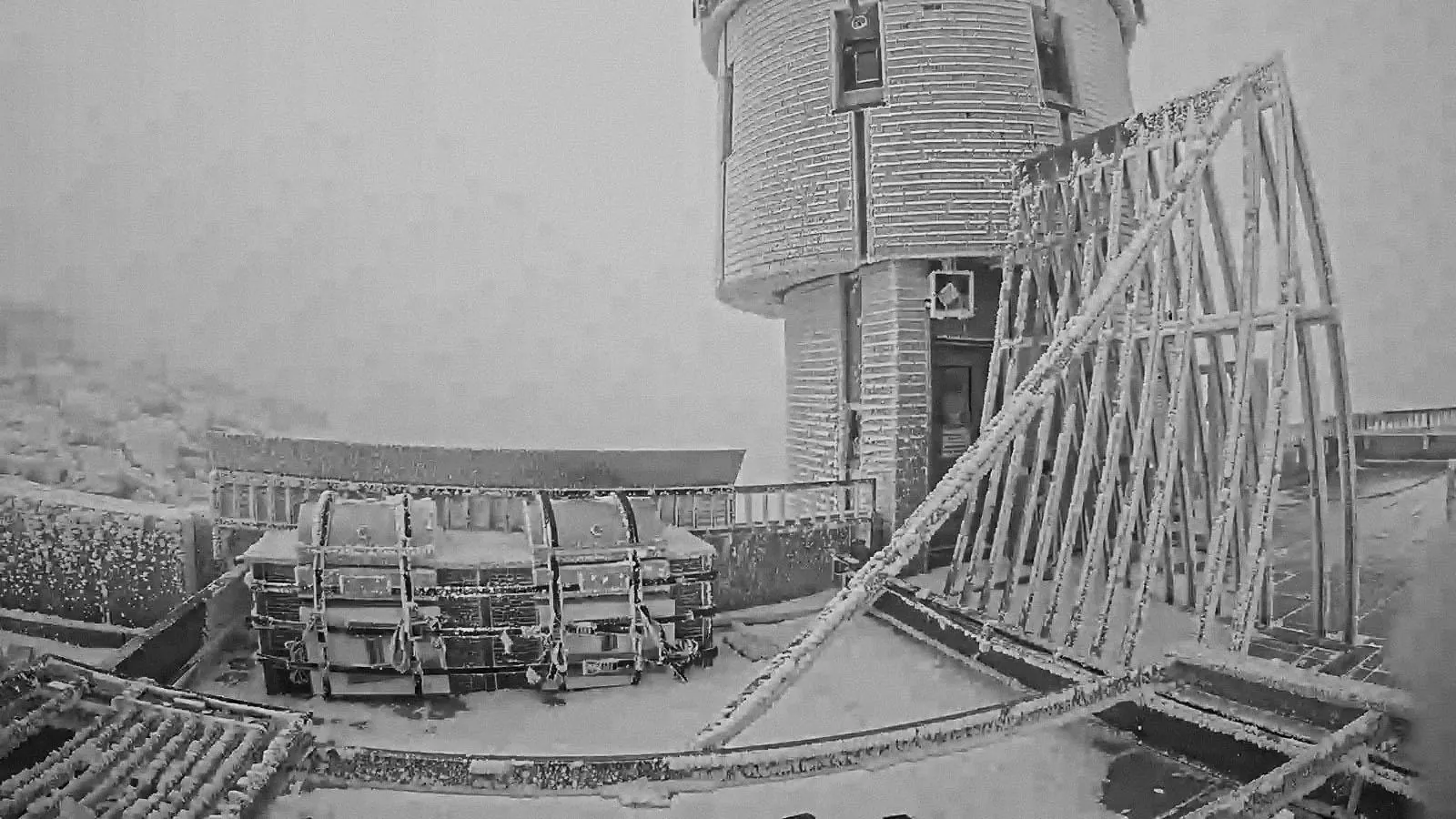
If you live in a climate that regularly hits below freezing temperatures, you experience freeze-thaw cycles all the time. Freeze-thaw cycles describe the action of water/moisture freezing as it hits temperatures below 32°F, and subsequently thawing out as temperatures rise again above 32°F. Freeze-thaw cycles, quite literally, describe this cycle!
How do Freeze-Thaw Cycles Relate to Outdoor Kitchens?
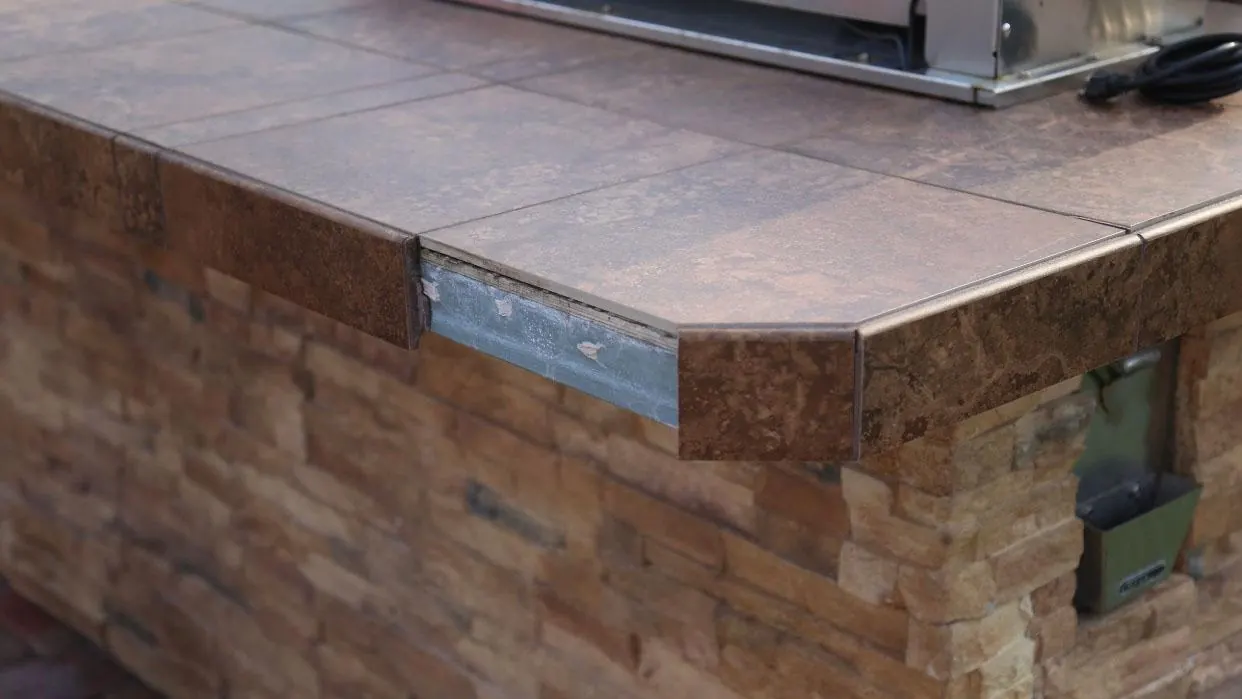
Freeze-thaw cycles are highly related to outdoor kitchens. The materials your outdoor kitchen is made from will directly influence how long your island will last in a freeze-thaw climate.
This is because many materials outdoor kitchens are made from are considered porous to one degree or another. In particular, wood (which we never recommend using) and cement board found in metal framed outdoor kitchens are porous materials. When exposed to water, it will wick up and absorb that moisture.
Why is that a problem? Well, when wood or cement board absorbs moisture from rain or ambient humidity… the material will swell as it freezes. This swelling exerts pressure on the other layers of your outdoor kitchen, being the frame and finish material. Over time, this constant expansion and contraction of the moisture-laden material can lead to delamination… which if you’re unfamiliar, delamination describes the separation of multi-layered objects, like an outdoor kitchen. In mild cases, this results in unsightly cracked and damaged finishes. But over time as the damage grows more severe, this can lead to structural failure as the interior frame rots, rusts, or corrodes away from moisture exposure. So if you live in a cold climate and you want your outdoor kitchen to last as long as possible… it’s essential to choose an outdoor kitchen solution that is freeze-thaw resistant.
What Outdoor Kitchen Solution is Best for Freeze-Thaw Climates?
Now that you know what freeze-thaw climates are and how they relate to outdoor kitchens… you probably want to know about a good freeze-thaw resistant solution.
If you want the best, most robust freeze-thaw resistant outdoor kitchen solution available, RTA’s high performance concrete is going to be your best choice.
High performance concrete is rated for 100 years and is a low-porosity material… so when exposed to water, very little moisture gets absorbed. And even with moisture exposure present, delamination is not possible with RTA’s high performance concrete outdoor kitchens. Our islands are constructed with single-layer concrete panels, meaning it is impossible for layers to come apart… because there are no layers!
If your interest in RTA has been piqued, but you want more information about the best outdoor kitchen solution for a cold, freeze-thaw climate… check out this article, answering that very question! Learn what the best build option is in a cold climate, so you can make an educated decision for your project.