




If you’re in the process of building an outdoor kitchen… you’ve likely heard the term “combustible” and “non-combustible” materials being thrown around in passing.
So you might be wondering: “What is the difference between combustible and non-combustible materials? And what does that mean for my outdoor kitchen project?”
Thankfully, these are simple questions to answer! As an outdoor kitchen manufacturer that uses non-combustible outdoor kitchen materials… we have full confidence that we can answer your questions in full. In this article, you’ll learn what combustible and non-combustible outdoor kitchen materials are, why it’s important to use non-combustible materials, whether or not you can ever use combustible materials, and a good non-combustible outdoor kitchen solution.
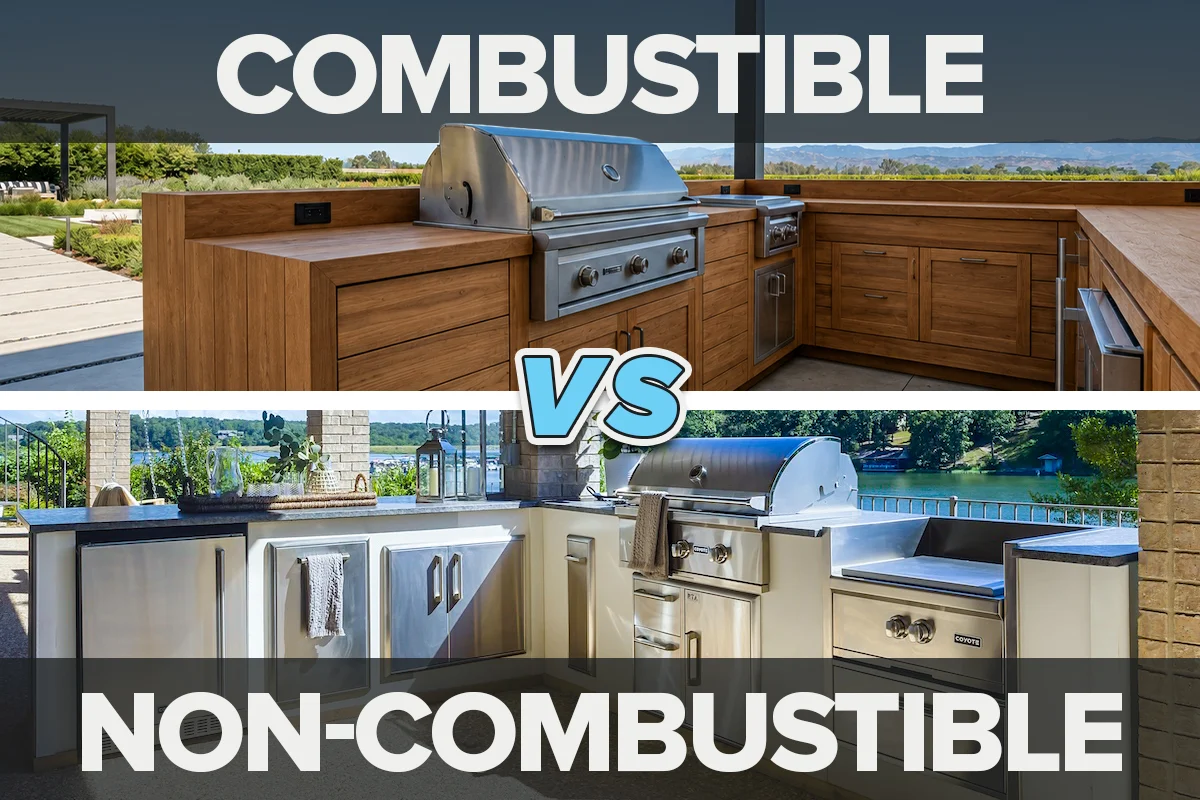
What are Combustible and Non-Combustible Outdoor Kitchen Materials?
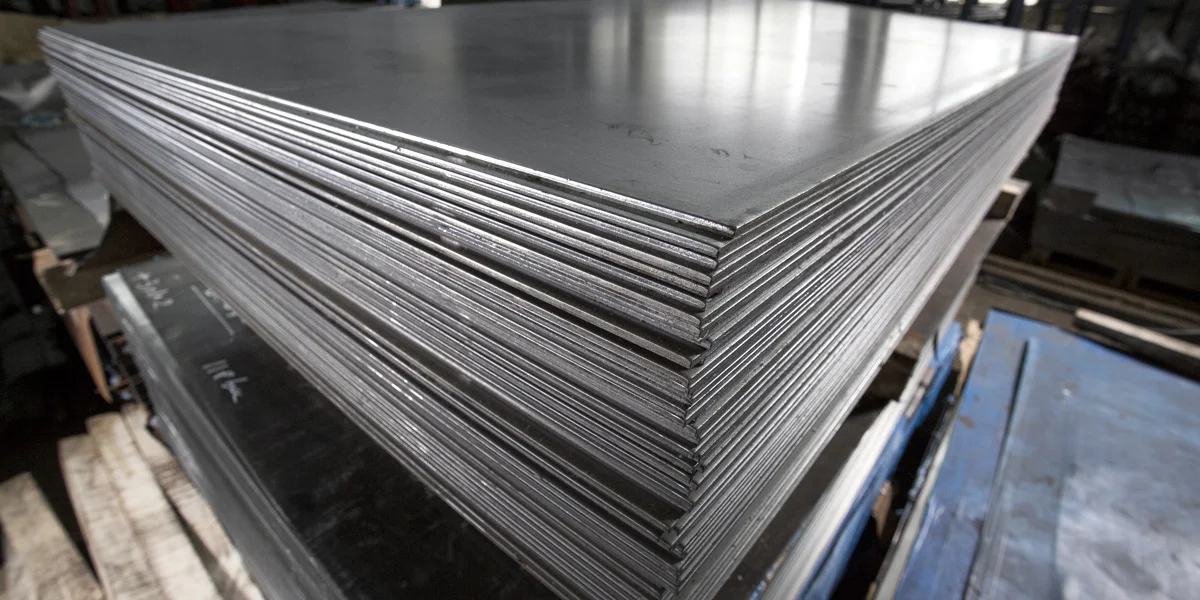
The difference between combustible and non-combustible outdoor kitchen materials is simple: combustible outdoor kitchen materials are substances that can easily ignite or burn. Non-combustible materials are the opposite, they will not ignite or burn in the presence of a fire.
Why is it Important to Use Non-Combustible Materials in my Outdoor Kitchen?

Using non-combustible materials in your outdoor kitchen offers the best protection in case an unfortunate grill fire breaks out. If the materials in your outdoor kitchen are non-combustible, there’s less potential for the fire to get out of control and spread to other areas.
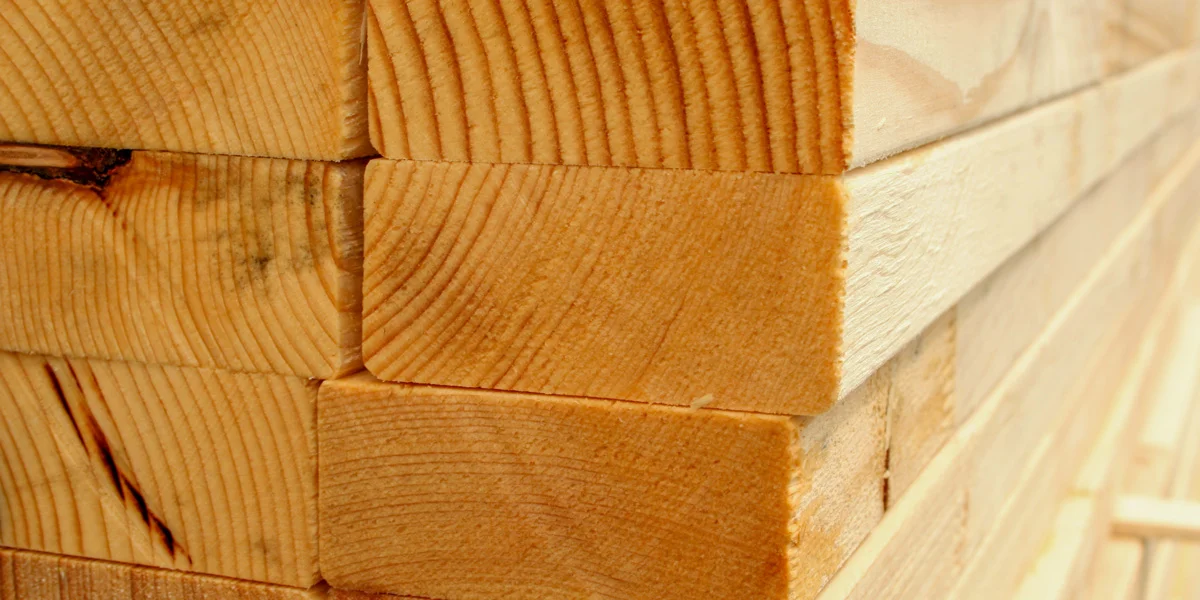
As a general rule of thumb, we recommend avoiding combustible materials in your outdoor kitchen whenever possible. In the case of wood in particular, we never recommend using wood in an outdoor kitchen. From a safety perspective, it’s simply too prone to catching fire.
And if you think about it for a moment… it makes sense. An outdoor kitchen is designed to house 1 or more open-flamed cooking appliances. If that structure is built from wood, you are intentionally putting a combustible material in close contact with open flames.
Beyond just safety reasons, wood outdoor kitchens are prone to insect damage, rot, swelling and warping… which all firmly put wood in the category of a material to never use in your outdoor kitchen.
Can Combustible Materials Ever be Used in an Outdoor Kitchen?

While wood should never be used in an outdoor kitchen, it sometimes is possible to use combustible materials in an outdoor kitchen.
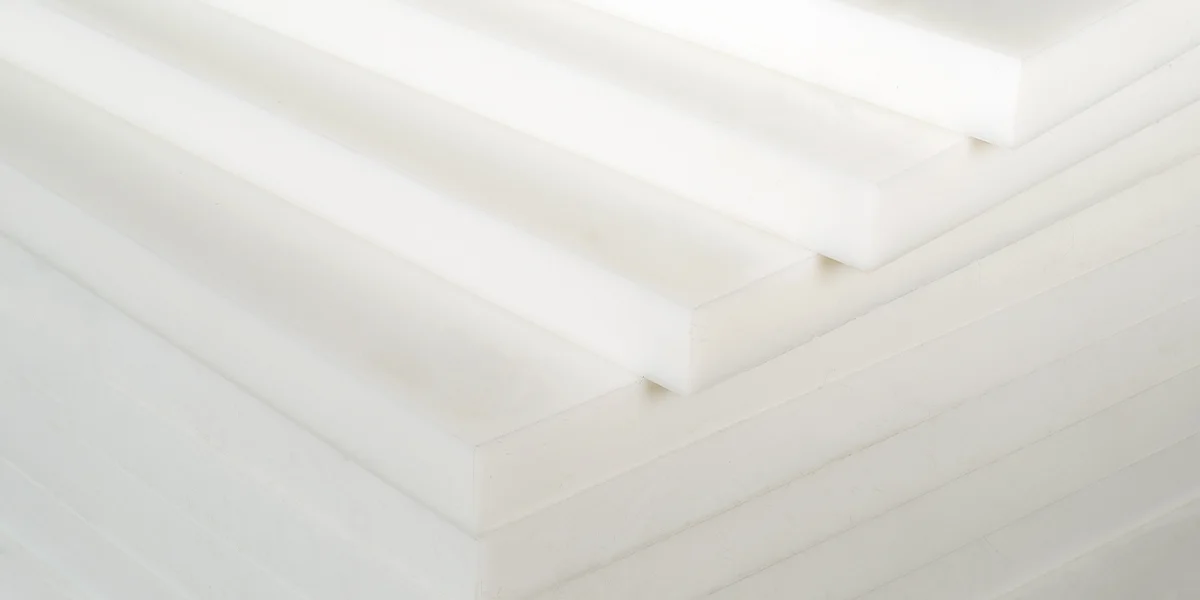
The best example of this would be marine grade HDPE (high density polyethylene). This material is combustible, but it has other qualities that make it great for outdoor use. It cannot absorb moisture, it won’t rust, corrode, get insect damage, rot, or swell.
To get around the issue of combustibility, all HDPE outdoor kitchens must have insulated jackets included with every appliance. These insulated jackets shield your island from the cooking appliances, allowing for safer operation.
What is a Good, Non-Combustible Outdoor Kitchen Option?
Now that you understand the differences between combustible and non-combustible outdoor kitchen materials, why it’s important to use non-combustible materials, and when combustible materials can be used… hopefully, you’re getting a solid grip on the topic!
Even so, you might just want a recommendation. What’s a good, non-combustible outdoor kitchen option?
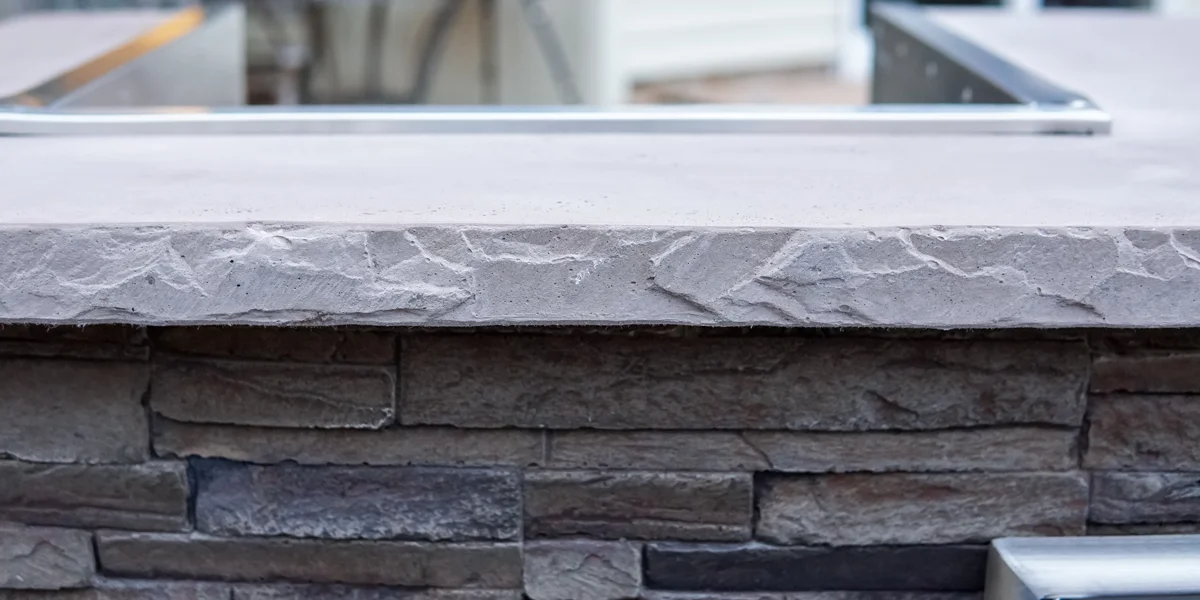
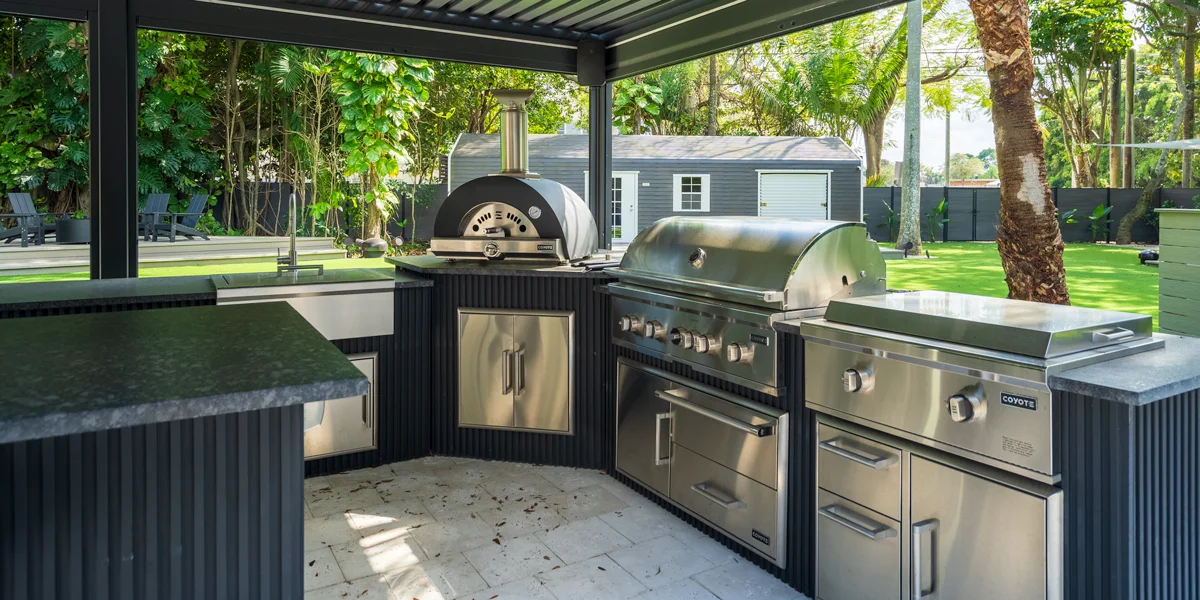
In that case, the best bet is a high performance concrete outdoor kitchen from RTA Outdoor Living. RTA’s high performance concrete is 100% non-combustible, and is durable in all environments. It won’t rust, corrode, warp, swell, rot, or get damaged by pests. It’s got everything!
If you want to learn more about what RTA Outdoor Living can offer you in the way of safety… a great resource to dive into is our Safety Resources page. Not only will you encounter a plethora of information about material combustibility… you’ll also learn about all other aspects of safe outdoor kitchen construction!
Enjoy the read, and we’ll catch you in the next one.